Returns and reverse logistics operations are complex, labor-intensive, and margin-sensitive. Takt provides real-time labor management, engineered labor standards, and structured tracking for inspection, dispositioning, recommerce, and light refurbishment—helping warehouses reduce cost per return and improve recovery value.





What Is Reverse Logistics and Why Returns Are Operationally Complex
Reverse logistics includes the movement, inspection, disposition, refurbishment, and resale of returned goods. Unlike forward fulfillment, returns workflows vary by condition, reason code, and resale potential. Without structured labor management, returns operations struggle with unpredictable workloads, inconsistent productivity, and margin erosion.
Reverse Logistics
Reverse Logistics Is Not Just Shipping in Reverse
Reverse logistics is a multi-stage warehouse process that requires inspection, grading, light cleaning, repair, repackaging, and disposition decisions. Each returned SKU follows a different path based on condition, resale channel, and compliance requirements. Traditional outbound labor management systems are not designed for this variability, making engineered labor standards and structured tracking essential for warehouse optimization.
Workflows
Returns Workflows Vary by Condition and Disposition
Returns management is driven by condition codes, product categories, and recommerce eligibility. A sellable return may require minimal processing, while a damaged unit may require testing, cleaning, refurbishment, or liquidation. This variability directly impacts labor time and cost per return. Without real-time labor management visibility, reverse logistics operations cannot accurately forecast staffing or optimize throughput.
Recommerce Demands Speed and Labor Visibility
Recommerce success depends on rapid inspection, grading accuracy, and fast reintegration into sellable inventory. Delays reduce resale value and increase handling costs. A labor management system built for reverse logistics enables warehouse optimization by measuring inspection time, tracking cleaning and refurbishment work, and prioritizing high-value returns to maximize recovery.
Returns Drive Higher Labor Intensity
Returns processing can require 2–3x more labor touches than outbound fulfillment, increasing cost per unit handled.
Cost Per Return Is Often Hidden
Without tracking inspection, cleaning, and rework time, true reverse logistics labor cost remains unclear.
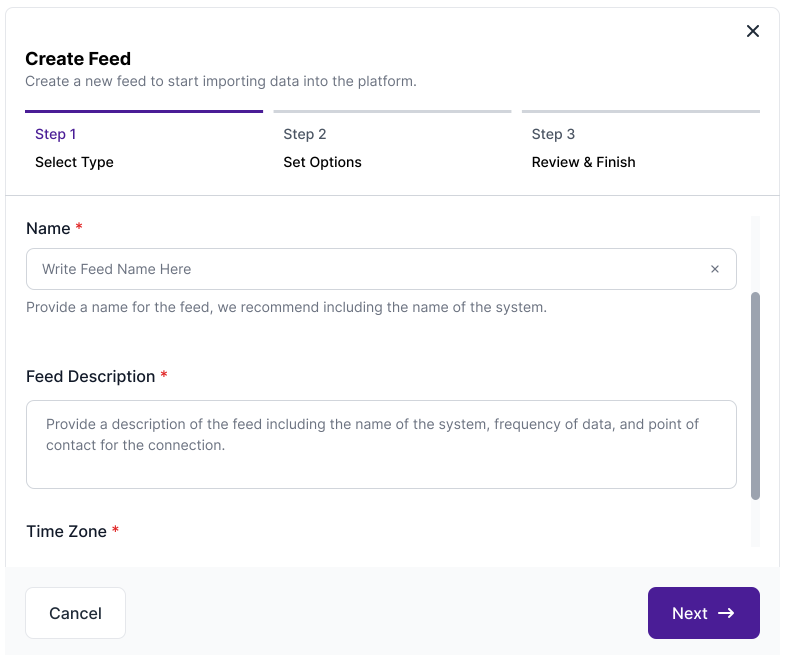
Seamless RMS Integration
Takt integrates directly with your Returns Management System (RMS), WMS, and ERP to ingest reason codes, condition data, SKU attributes, and disposition outcomes in real time. This ensures engineered labor standards and performance tracking reflect true reverse logistics workflows without manual uploads or duplicate data entry.
Real-Time Returns Performance
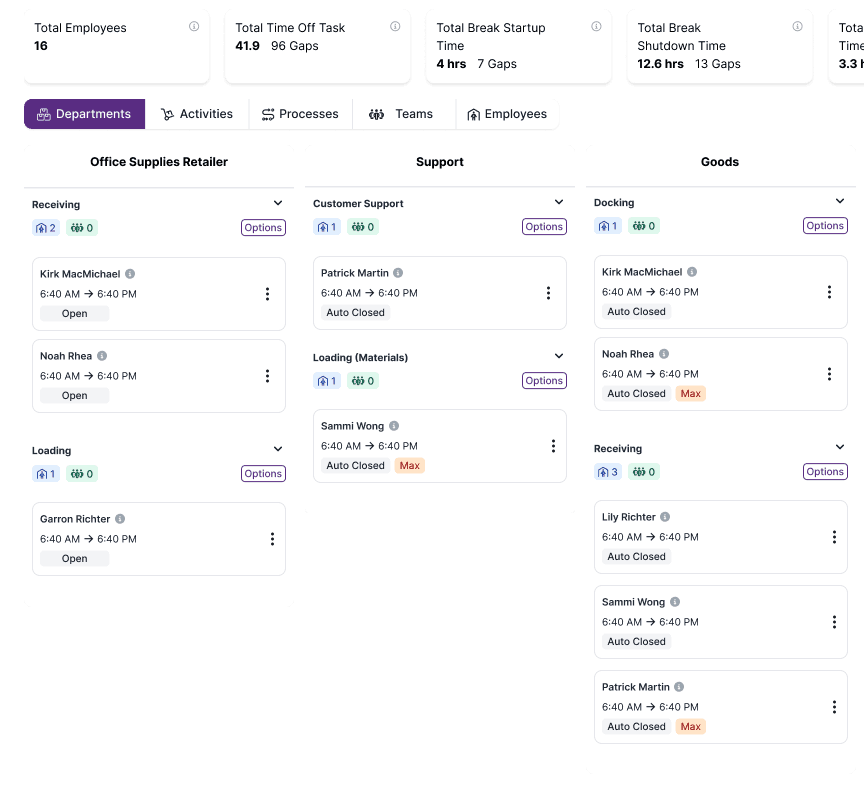
Monitor inspection, grading, cleaning, and disposition productivity live across your warehouse. Takt provides real-time labor management visibility into cost per return, throughput, backlog risk, and recommerce processing speed—enabling supervisors to rebalance labor before delays impact recovery value.
Virtual Kiosk for Rework & Cleaning
Use the Takt Virtual Kiosk to track indirect labor such as light cleaning, steaming, relabeling, testing, and reconditioning. Capture structured time and quantity tied to value-added services so recommerce workflows are measurable, governed, and optimized within your labor management system.
RETURNS PROCESSING
Reverse logistics warehouses perform dozens of labor-intensive tasks that often go unmeasured. Without structured labor management, inspection, cleaning, staging, and exception handling time remain invisible. Capturing these workflows enables true warehouse optimization and reduces cost per return across recommerce operations.
Manual Inspection & Grading Variability
Inspection time varies by condition, SKU type, and resale path. Without engineered labor standards and real-time tracking, grading performance becomes inconsistent, slowing reverse logistics throughput and reducing recommerce recovery rates.
Light Cleaning & Reconditioning Work
Steaming apparel, wiping electronics, replacing packaging, testing components, and minor repairs are often tracked loosely or not at all. These value-added services consume significant labor hours and directly impact resale speed and margin.
Disposition & Restocking Delays
Time spent staging returns, updating inventory status, moving product to liquidation, or returning items to primary pick locations frequently lacks structured measurement. This creates bottlenecks that increase cost per return.
Exception Handling & Problem Solving
Missing components, damaged packaging, fraud review, system errors, and inventory discrepancies require manual intervention. Without visibility, these exception workflows quietly consume labor and distort productivity metrics.

FAQ's
What is indirect labor in a warehouse?
What is the difference between direct and indirect labor?
How do you track indirect labor in a warehouse?
What percentage of warehouse labor is indirect?
Why is indirect labor important for 3PL operations?
Can a labor management system track downtime?
How does indirect labor affect productivity reporting?
How do you track kitting and value-added services labor?
Can a labor management system track downtime?
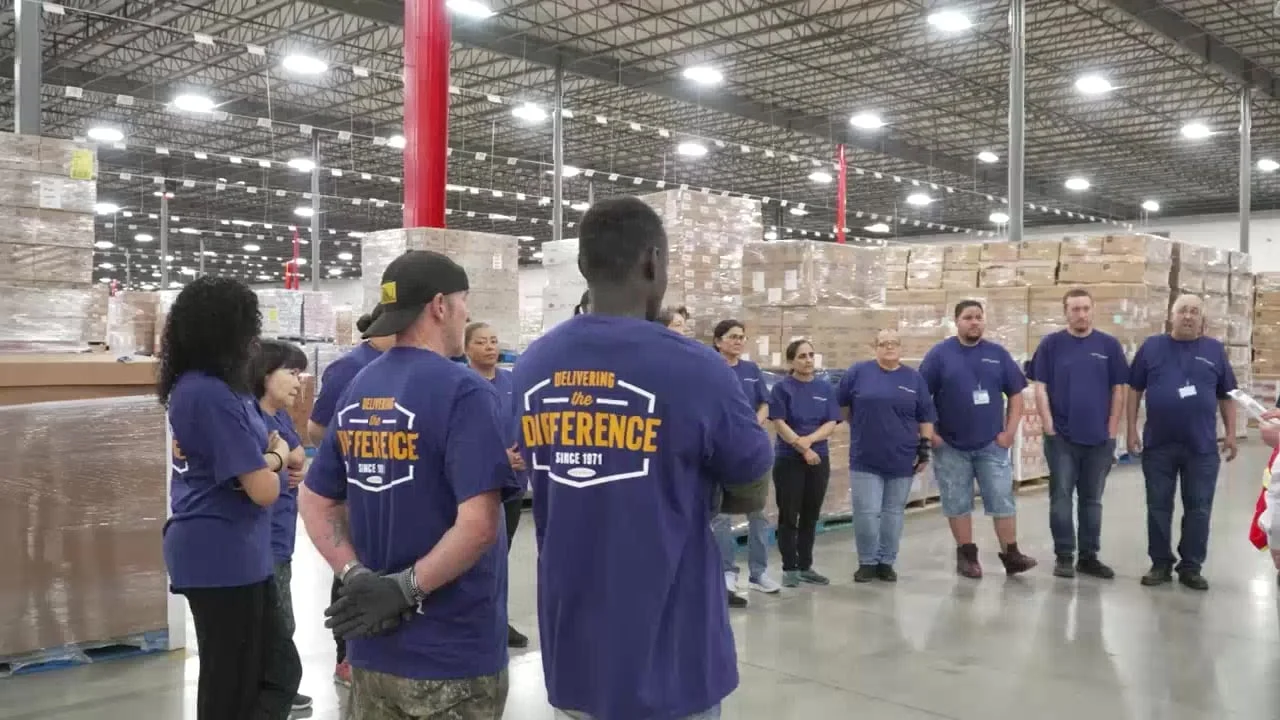
"Takt’s advanced platform equips ODW teams with real-time productivity insights, enabling more effective coaching, streamlined workflows, and a happier, more engaged workforce. With tools that drive efficiency, reduce costs, and enhance service quality, ODW can deliver faster turnaround times and a more reliable supply chain."
ODW Logistics