Unify WMS, Robotics, Automation, and Time Data
Learn how warehouse teams unify WMS, robotics, automation, and time data into one operating layer that improves labor visibility, shift recovery, and throughput decisions.
Key Takeaways
The real operating constraint often sits between systems, not inside one system.
A warehouse intelligence layer should normalize work taxonomy, identities, time boundaries, and direct-versus-indirect logic.
The business case is not better reporting alone. It is faster, more defensible decisions during the shift.
Automated buildings need stronger labor and handoff visibility, not less.
Most warehouses do not lack data.
They lack one place where the data agrees.
The WMS knows what work was released and confirmed. Robotics and automation systems know what machines are doing. Time systems know what labor was paid. Supervisors know what the floor actually feels like. The problem is that those views rarely line up in time to help the operation recover the shift.
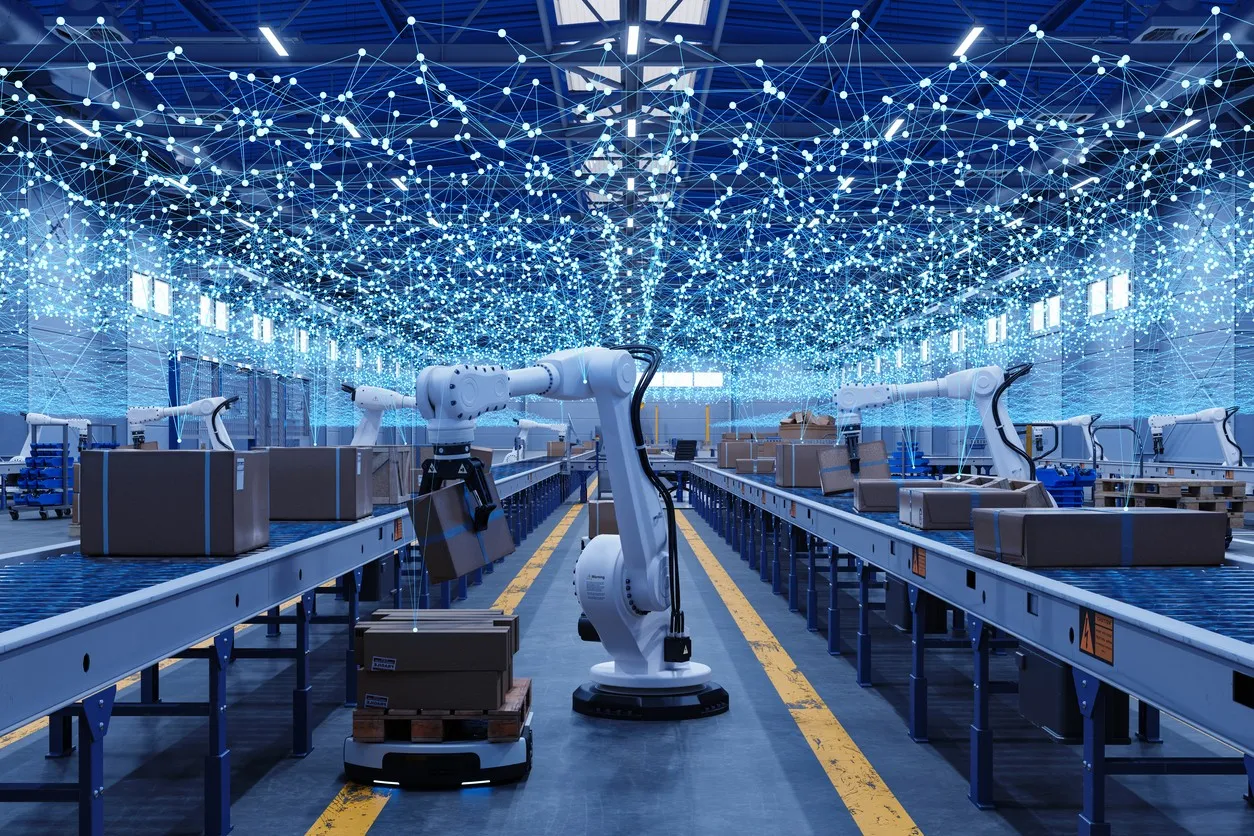
That is why more teams are looking for a warehouse intelligence layer. The goal is not to replace the systems already in place. The goal is to create one operating view across them.
Why system-by-system visibility is not enough
A robotics system may show strong utilization. The WMS may show task flow. The labor report may show acceptable productivity. Yet outbound can still slip because the real issue lives in the handoff between them.
That is the trap of disconnected visibility. The systems are telling true stories, but they are telling them in isolation.
Warehouse leaders need a combined story:
where work is building up
whether labor is aligned to the true constraint
whether automation is flowing cleanly into downstream processes
how much indirect or exception work is consuming the day
which issue matters most right now
The four data domains that need to come together
1. WMS activity
This provides transaction-level truth: order flow, task creation, confirmations, inventory movement, replenishment, and wave execution.
2. Robotics and automation signals
This provides machine-side context: queue buildup, robotic capacity, station flow, and where automated throughput may be creating or absorbing downstream delay.
3. Time and labor data
This provides the paid-day view: clock-in and clock-out boundaries, overtime, role assignments, and labor availability.
4. Labor categorization and management context
This is where direct work, indirect work, exception activity, standards, and performance expectations get interpreted in an operating model instead of being left as raw feeds.
What the intelligence layer should normalize
The systems do not need to become identical. But the operating layer should normalize a few critical things:
employee identity
site, zone, and workflow labels
work taxonomy
shift boundaries
direct versus indirect labor rules
unit-of-work logic
source-event timing
If those remain inconsistent, the combined view may look sophisticated but still be hard to trust.
Where operations feel the benefit first
The biggest gains usually show up in three places.
Handoffs
Mixed environments break down at handoffs. Automation finishes one part of the work, but people are not ready downstream. Replenishment lags. Packout falls behind. A labor move that looked efficient in one area creates delay somewhere else.
Indirect and exception work
The WMS often shows the clean direct path. The paid day is much messier. Support work, quality checks, staging, rework, travel, and troubleshooting can quietly absorb capacity.
Shift recovery
The deeper value is not reporting what happened. It is helping supervisors recover the shift while there is still time to act.
Why this matters even more in automated buildings
Automation raises the value of coordination.
The better the automation, the more important the human coordination points often become. One area can be highly optimized while another quietly becomes the real constraint.
That is why labor orchestration should be treated as part of automation ROI.
A practical rollout model
For most operations, the rollout should be staged:
decide which live decisions the intelligence layer must support
map the source systems needed for those decisions
align identities, work types, and time boundaries
make direct and indirect labor visible in the same model
validate the output with supervisors and site leaders
add more planning or automation context once the core view is trusted
The goal is not to build a perfect digital twin on day one. It is to build a better operating loop.
Where Takt fits
This is where Takt’s category story becomes especially strong.
Takt is built around the idea that warehouse leaders need one live view across labor, workflow, and system activity in order to run the shift well. Instead of another disconnected dashboard, the operation gets a better way to understand what is happening between the systems it already owns.
See also Takt’s warehouse intelligence solutions, labor management system, and labor planning pages for the most relevant product tie-ins.
Related on Takt: Labor Analytics and Integrations.