Learn how warehouse leaders can reduce travel time through better visibility, slotting, labor planning, and flow control before jumping straight to more labor or automation.

Article written by
Alex Rhea
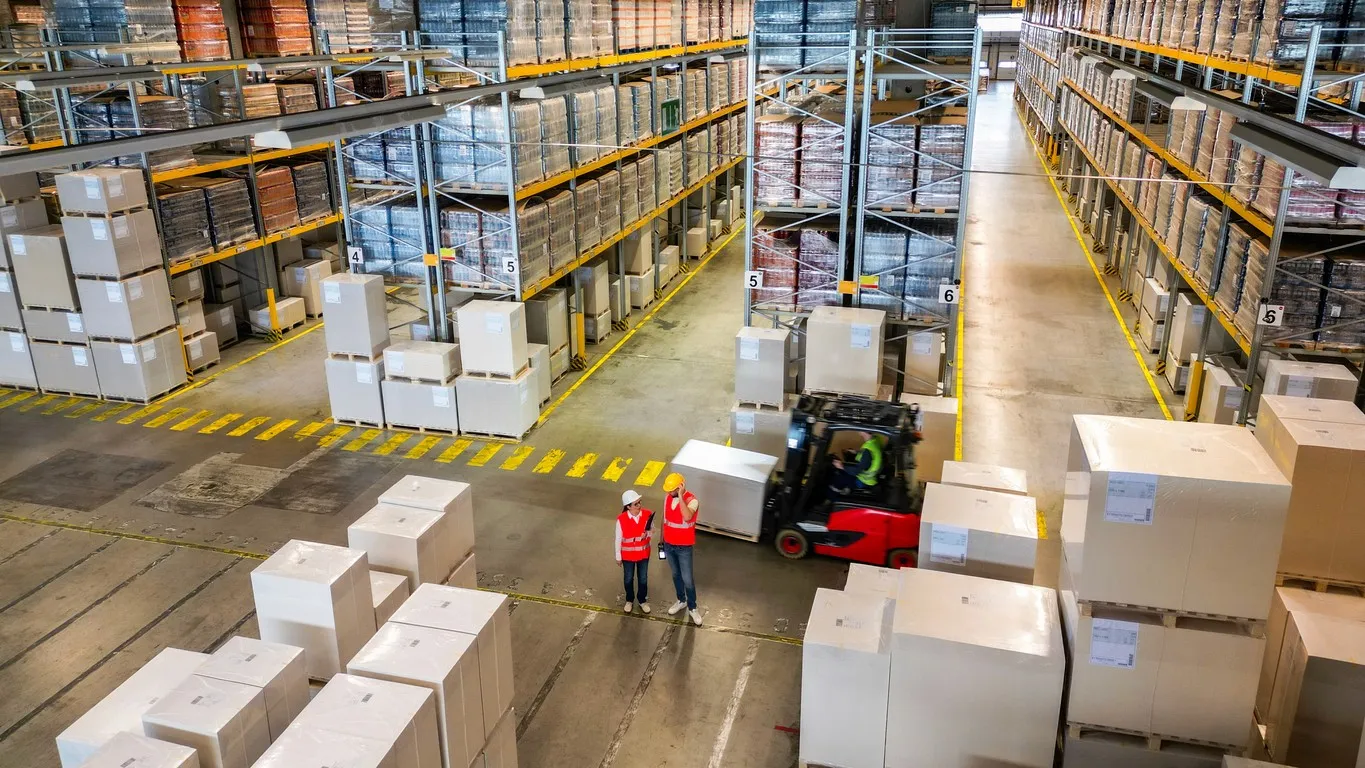
Travel time is one of the most expensive things warehouses learn to ignore.
It hides inside normal performance. People still complete the work. The shift still moves. Output still gets reported. But across the day, too many paid hours are spent walking, doubling back, waiting for the next touch, or crossing the building because the work was not set up well in the first place.
That is why travel time deserves more attention than it usually gets. In many operations, it is one of the clearest ways to recover throughput without changing the core business model.
The challenge is not knowing that travel exists. The challenge is measuring it well enough to act without guessing.
Why travel time hides in normal warehouse performance
Travel does not announce itself as a problem the way a missed shipment or a broken conveyor does.
It shows up as slower picks, inconsistent utilization, labor that feels busy but still falls short, and supervisors who keep asking for more people without being able to explain where the time went.
That is why travel often gets accepted as part of the job. The building is paying for it every day, but no one has a clean view of how much is necessary and how much is avoidable.
The signals that usually point to travel waste
You do not need a complex study to know where to start looking.
Travel is usually part of the problem when:
units per hour drop without a clear labor quality issue
one zone consistently needs more staffing than volume alone explains
replenishment timing forces long waits or extra movement
slotting decisions create repeated long walks for common work
support work interrupts direct workflow too often
congestion builds around certain paths, docks, or handoff points
The point is not to guess at the answer. The point is to identify where travel is most likely distorting labor performance.
Fix the process before buying more labor
One of the most common mistakes in travel-heavy operations is solving the symptom with extra headcount.
More labor can help for a while. It does not reduce the distance the work requires.
Before adding people, leaders should look at the process choices driving movement.
Slotting
If high-frequency items are stored in ways that force unnecessary distance, the building is paying for poor placement every hour.
Replenishment timing
Travel gets worse when associates reach empty locations, pause for support, or reroute around poor inventory readiness.
Work release logic
Large bursts of poorly sequenced work can create avoidable movement and congestion even when staffing is adequate.
Zone design and pathing
A workflow that makes sense on paper can still produce too much walking if the physical route is inefficient.
Indirect work and interruptions
When direct labor is repeatedly pulled into problem-solving or support tasks, the operation loses more than task time. It loses flow.
When automation is the right answer and when it is not
Automation can absolutely reduce travel. In the right environment, that is one of its clearest advantages.
But not every travel problem is an automation case.
If the main issue is poor slotting, inconsistent replenishment, weak release logic, or a lack of live visibility into labor movement, the operation may get more value from better process control first. Otherwise the warehouse risks automating around a problem it still has not diagnosed well.
The better question is not "Can automation reduce travel?" It is "What is creating the travel in the first place, and which fix gives us the best return?"
How to measure travel time without guesswork
The most useful measurement approach combines standards, labor context, and live performance.
Leaders should look at:
expected work content versus actual time
travel-sensitive workflows by zone and task type
utilization differences across similar teams
plan versus actual labor usage where movement is highest
indirect or exception activity that forces extra distance
This is where engineered labor standards matter. If the standard ignores travel distance, order complexity, congestion, and work mix, the operation will keep debating whether the people are slow instead of whether the workflow is expensive.
Where Takt fits
Takt helps warehouse teams connect standards, labor planning, indirect work visibility, and real-time performance.
That makes travel easier to manage because the issue stops being abstract. Teams can see where performance is drifting, where labor is being consumed inefficiently, and where process friction is turning movement into lost hours.
Conclusion
Travel time is not a niche industrial engineering issue.
It is one of the most practical throughput and labor-cost problems a warehouse can improve.
The operations that reduce it well do not start by guessing. They measure where the movement is coming from, fix the process decisions that are driving it, and use automation where it truly changes the economics.
That is how travel time stops being a hidden cost and becomes a real improvement lever.
Article written by
Alex Rhea