Las operaciones de devoluciones y logística inversa son complejas, requieren mucha mano de obra y son sensibles a los márgenes. Takt ofrece gestión de mano de obra en tiempo real, estándares de mano de obra diseñados y seguimiento estructurado para la inspección, disposición, recomercio y ligera renovación, ayudando a los almacenes a reducir el costo por devolución y mejorar el valor de recuperación.





¿Qué es la logística inversa y por qué las devoluciones son operativamente complejas?
La logística inversa incluye el movimiento, inspección, disposición, reacondicionamiento y reventa de productos devueltos. A diferencia del cumplimiento hacia adelante, los flujos de trabajo de devoluciones varían según el estado, el código de motivo y el potencial de reventa. Sin una gestión estructurada de la mano de obra, las operaciones de devoluciones luchan con cargas de trabajo impredecibles, productividad inconsistente y erosión de márgenes.
Logística inversa
La logística inversa no es solo envío al revés
La logística inversa es un proceso de almacén de múltiples etapas que requiere inspección, clasificación, limpieza ligera, reparación, reempaquetado y decisiones de disposición. Cada SKU devuelto sigue un camino diferente según su condición, canal de reventa y requisitos de cumplimiento. Los sistemas tradicionales de gestión de mano de obra para envíos no están diseñados para esta variabilidad, lo que hace que los estándares de trabajo diseñados y el seguimiento estructurado sean esenciales para la optimización del almacén.
Flujos de trabajo
Los flujos de trabajo de devoluciones varían según la condición y disposición
La gestión de devoluciones se basa en códigos de condición, categorías de productos y la elegibilidad para recomercio. Una devolución vendible puede requerir un procesamiento mínimo, mientras que una unidad dañada puede necesitar pruebas, limpieza, reacondicionamiento o liquidación. Esta variabilidad impacta directamente el tiempo de trabajo y el costo por devolución. Sin visibilidad en tiempo real de la gestión de mano de obra, las operaciones de logística inversa no pueden pronosticar con precisión el personal necesario ni optimizar el rendimiento.
Las demandas de recomercio requieren rapidez y visibilidad laboral
El éxito del recommerce depende de la inspección rápida, la precisión en la clasificación y la rápida reintegración en el inventario vendible. Las demoras reducen el valor de reventa y aumentan los costos de manipulación. Un sistema de gestión de personal diseñado para la logística inversa permite la optimización del almacén al medir el tiempo de inspección, seguir el trabajo de limpieza y reacondicionamiento, y priorizar los retornos de alto valor para maximizar la recuperación.
Las devoluciones incrementan la intensidad laboral
El procesamiento de devoluciones puede requerir de 2 a 3 veces más intervenciones laborales que el cumplimiento de salida, aumentando el costo por unidad manejada.
El costo por devolución a menudo está oculto
Sin rastrear el tiempo de inspección, limpieza y retrabajo, el costo real de mano de obra en logística inversa sigue siendo incierto.
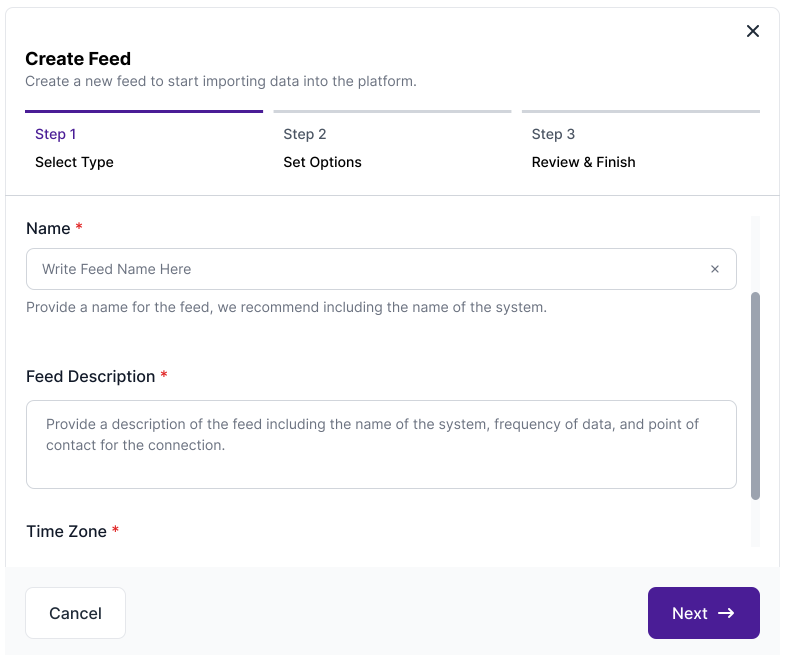
Integración continua de RMS
Takt se integra directamente con su Sistema de Gestión de Devoluciones (RMS), WMS y ERP para incorporar códigos de razón, datos de condición, atributos de SKU y resultados de disposición en tiempo real. Esto garantiza que los estándares laborales diseñados y el seguimiento del rendimiento reflejen fielmente los flujos de trabajo de logística inversa sin cargas manuales o entradas de datos duplicadas.
Rendimiento de Devoluciones en Tiempo Real
Monitorea la productividad en inspección, clasificación, limpieza y disposición en directo en todo tu almacén. Takt ofrece visibilidad en tiempo real de la gestión laboral en cuanto a coste por devolución, rendimiento, riesgo de acumulación y velocidad de procesamiento de recomercio, lo que permite a los supervisores reajustar la mano de obra antes de que los retrasos afecten al valor de recuperación.
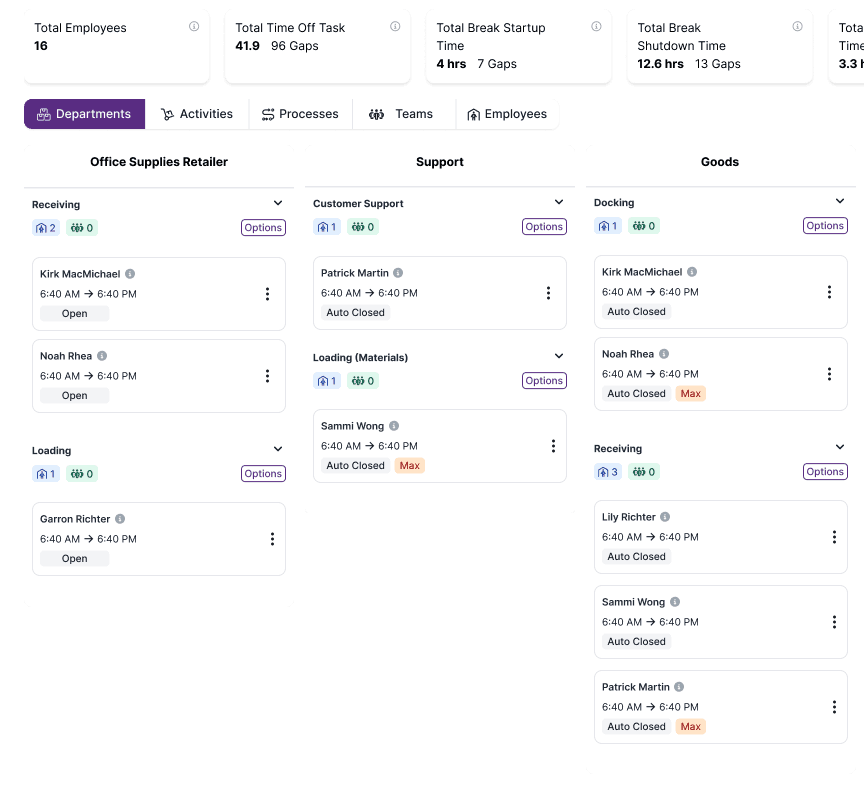
Quiosco Virtual para Retrabajo y Limpieza
Utiliza el Takt Virtual Kiosk para rastrear el trabajo indirecto como la limpieza ligera, el vapor, el cambio de etiquetas, las pruebas y el reacondicionamiento. Captura el tiempo y la cantidad estructurados vinculados a servicios de valor añadido para que los flujos de trabajo de recomercio sean medibles, controlados y optimizados dentro de tu sistema de gestión de mano de obra.
PROCESAMIENTO DE DEVOLUCIONES
Los almacenes de logística inversa realizan docenas de tareas intensivas en mano de obra que a menudo no se miden. Sin una gestión laboral estructurada, el tiempo de inspección, limpieza, preparación y manejo de excepciones permanece invisible. Capturar estos flujos de trabajo permite una verdadera optimización del almacén y reduce el costo por devolución en las operaciones de recomercio.
Variabilidad en la Inspección y Clasificación Manual
El tiempo de inspección varía según la condición, el tipo de SKU y la ruta de reventa. Sin estándares de mano de obra diseñados y seguimiento en tiempo real, el rendimiento de la clasificación se vuelve inconsistente, lo que ralentiza el flujo de la logística inversa y disminuye las tasas de recuperación del recomercio.
Trabajo de limpieza ligera y reacondicionamiento
El planchado de ropa, la limpieza de electrónicos, el reemplazo de empaques, las pruebas de componentes y las reparaciones menores a menudo se llevan un control deficiente o no se registran en absoluto. Estos servicios de valor agregado consumen muchas horas de trabajo y afectan directamente la velocidad de reventa y el margen.
Retrasos en la disposición y reposición
El tiempo dedicado a organizar devoluciones, actualizar el estado del inventario, mover productos a liquidación o devolver artículos a las ubicaciones primarias de selección a menudo carece de una medición estructurada. Esto crea cuellos de botella que aumentan el costo por devolución.
Manejo de Excepciones y Resolución de Problemas
La falta de componentes, el embalaje dañado, la revisión de fraude, los errores del sistema y las discrepancias de inventario requieren intervención manual. Sin visibilidad, estos flujos de trabajo de excepciones consumen labor silenciosamente y distorsionan las métricas de productividad.

Preguntas frecuentes
¿Qué es la mano de obra indirecta en un almacén?
¿Cuál es la diferencia entre la mano de obra directa e indirecta?
¿Cómo se lleva el control del trabajo indirecto en un almacén?
¿Qué porcentaje del trabajo en el almacén es indirecto?
¿Por qué es importante la mano de obra indirecta para las operaciones de 3PL?
¿Puede un sistema de gestión laboral rastrear el tiempo de inactividad?
¿Cómo afecta la mano de obra indirecta a la presentación de informes de productividad?
¿Cómo se rastrea el trabajo de servicios de ensamblaje y valor añadido?
¿Puede un sistema de gestión laboral rastrear el tiempo de inactividad?
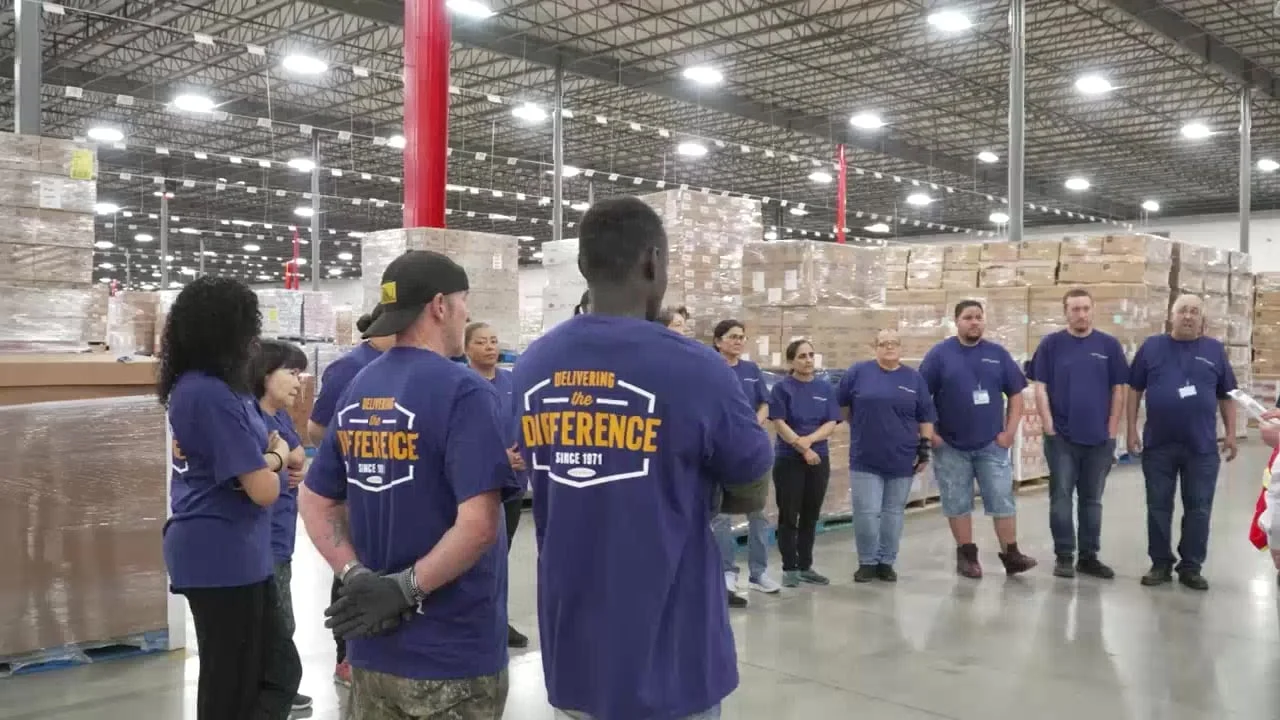
"La avanzada plataforma de Takt proporciona al equipo de ODW información sobre productividad en tiempo real, lo que permite un entrenamiento más efectivo, flujos de trabajo optimizados y una fuerza laboral más feliz y comprometida. Con herramientas que impulsan la eficiencia, reducen costos y mejoran la calidad del servicio, ODW puede ofrecer tiempos de respuesta más rápidos y una cadena de suministro más confiable."
Logística ODW